Independent Living vs. Assisted Living: Which Fits Your Needs?
Many families searching for senior living near Franklin Grove, IL start with the same question: what’s the actual difference between independent living and assisted living—and which one is right for our situation?
The terms get used interchangeably, but they’re designed for different needs. Getting clear on the distinction early makes everything else easier—the tours, the conversations, and the decision itself.
This guide explains both options plainly, helps you match the right level of care to your current situation, and points you toward a practical next step. If you’re already sure assisted living is the right fit, start here: Assisted living in Franklin Grove, IL.
The Core Difference: Lifestyle vs. Support
The simplest way to understand the difference:
- **Independent living** is for older adults who are healthy and self-sufficient, but want to let go of home maintenance—cooking, cleaning, yard work—and enjoy a more connected, active community life
- **Assisted living** is for adults who need some structured support with daily routines: medication management, personal care, meals, housekeeping, and safety oversight
If the older adult in your family manages their own routines safely without help, independent living is the right starting point. If daily routines are becoming inconsistent or unsafe, assisted living is likely the better fit.
Signs Independent Living May Be the Right Fit
Consider independent living when:
- Your parent or loved one is active and healthy—managing well on their own
- Keeping up with a home has become more effort than it’s worth
- Social connection has declined after retirement, a move, or the loss of a spouse
- They want more activity and community, but don’t need care
- Living alone feels increasingly isolated, but they don’t need daily support
Independent living is a lifestyle choice. It’s for people who are ready to simplify and enjoy the next chapter—not people who need care to get through the day safely.
Signs Assisted Living May Be the Right Fit
Assisted living is typically the better fit when:
- Daily routines—medications, meals, personal care—are becoming inconsistent or risky
- Falls, balance issues, or close calls are increasing
- A spouse or adult child caregiver is stretched thin or approaching burnout
- Isolation is growing alongside difficulty managing daily life independently
- The older adult needs the reassurance of having staff available around the clock
If you’re seeing a pattern of missed medications, changes in personal hygiene, or increasing safety concerns, read: Signs it may be time for assisted living
When It’s Not Obvious: Questions That Help
Most families don’t fall cleanly into one category or the other. These questions help:
Can they manage their own medication routine reliably?
If medication management is a concern—doses missed, schedules confused, oversight needed—that typically points toward assisted living.
Are daily safety routines still manageable without help?
Bathing, dressing, moving around the home—if these are becoming harder or less safe without assistance, assisted living is worth exploring.
What’s the primary motivation: lifestyle or safety?
If the main driver is community, activities, and freedom from home upkeep—that’s independent living territory. If the main driver is safety, medication management, or caregiver relief—that points toward assisted living.
How quickly might needs change?
If needs are stable and likely to stay that way, independent living is straightforward. If health is declining and care needs may increase in the near term, it’s worth asking communities how transitions between levels work.
When the answer still isn’t clear after those questions, a tour and a direct conversation with the community are usually more helpful than any checklist.
Can You Transition from Independent Living to Assisted Living?
This is one of the most common questions families ask—and the answer depends on the community.
Some communities offer both levels of care and allow residents to transition in place as needs change. Others serve only one level. If continuity matters—not having to move to a different building or community if needs increase—it’s an important question to ask on your tour.
At The Meadows of Franklin Grove, we offer both independent living and assisted living. During your visit, we’ll explain how both levels work and what a transition looks like if needs change over time.

A Practical Starting Point for Families Near Franklin Grove
If you’re comparing senior living options across Lee County or Ogle County, the most useful thing you can do is visit in person. What you read about a community and what it feels like to walk through it are very different experiences.
On your tour, ask:
- What does a typical day look like for an independent living resident vs. an assisted living resident?
- How are care needs assessed at move-in—and how are they reassessed over time?
- If needs change, what does a transition between levels of care look like at this community?
These three questions tell you more than any brochure.
Independent Living vs. Assisted Living FAQs
Next Steps: Tour Assisted Living in Franklin Grove
If you’re seeing signs that support would help, a tour is the fastest way to get real clarity—without pressure.
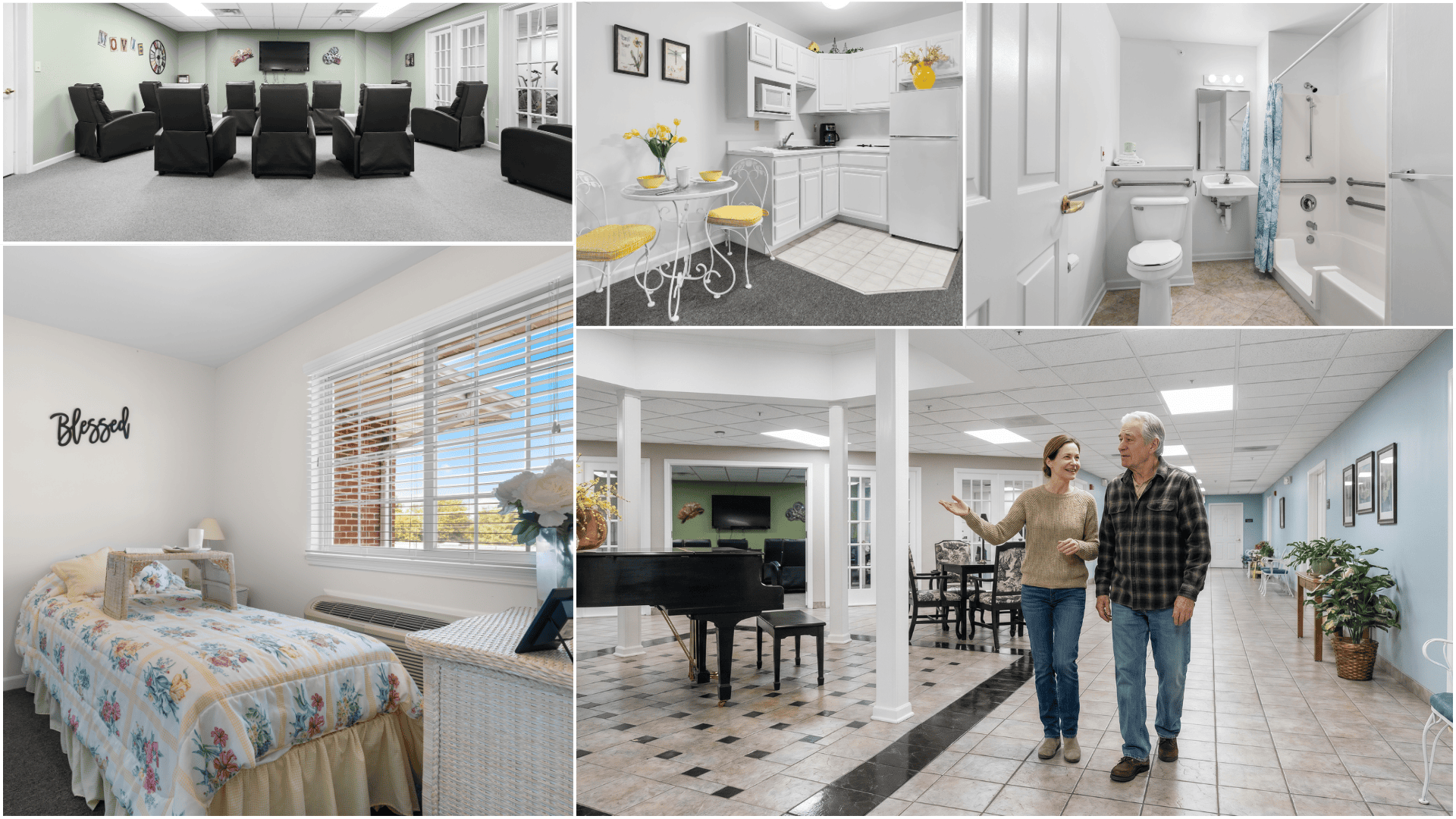
At The Meadows of Franklin Grove, families from across Lee & Ogle County come to see the apartments, learn what’s included, and talk through support needs and next steps.