
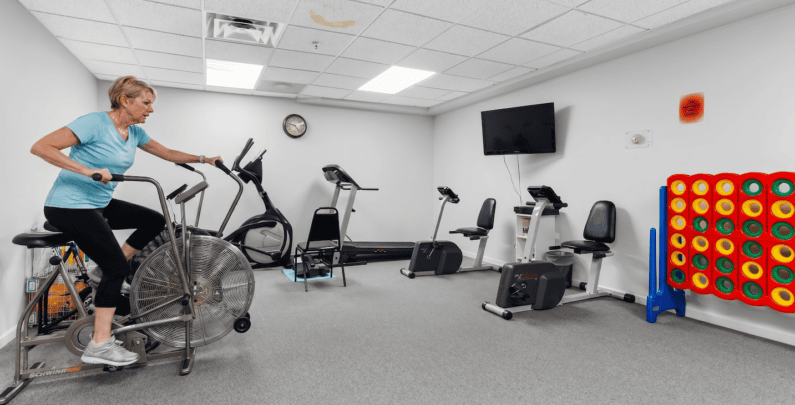
Loneliness is one of the biggest health risks for seniors living alone, and one of the easiest to address. At The Meadows of Franklin Grove, the activities calendar isn’t just something that hangs on the wall.
It’s a coffee club that people look forward to all week. It’s a bingo game where the competition gets surprisingly intense. It’s a cooking club run by people who have forgotten more about cooking than most of us will ever learn. Activities at The Meadows aren’t structured to fill time. They’re structured to build community, and over time, they do.
This article goes through exactly what’s available and why it matters, both for residents and for the families making decisions on their behalf.
The Activities at The Meadows
Here’s what residents can participate in, and what each activity actually provides beyond the activity itself.
Coffee Club
The coffee club meets regularly, and it has become one of the most talked-about parts of life at The Meadows. It started as a routine — a set time, a familiar space, the same group of people. Over time it became the thing residents mention when you ask them what they like about living here. Coffee and conversation don’t sound like much until you’ve seen what consistent, unhurried social time does for people who live alone. At The Meadows, it shows up every week.
Chair Yoga
Gentle, accessible movement for residents at any mobility level. Chair yoga supports flexibility, balance, and breathing without requiring anyone to get on the floor or push past physical limits. It’s low-pressure, consistent, and one of the most broadly attended activities because it works for nearly everyone. Regular movement is directly linked to better balance and fall prevention — the kind of outcome that matters quietly and continuously.
Art Club
A creative outlet that works on multiple levels. Fine motor engagement, creative expression, a structured reason to sit together and talk. The art club produces conversation that wouldn’t happen otherwise. It’s also one of those activities where residents bring their own level — there’s no instruction to keep up with, no pressure to produce something impressive.
Bingo
Classic for a reason. Bingo is easy to join, impossible to dismiss, and brings out a competitive side in people you wouldn’t expect. It’s a regular fixture on the calendar, it draws a crowd, and it delivers a disproportionate amount of energy relative to how simple it is.
Church Services (On-Site)
For residents of faith, on-site church services remove a real barrier. Transportation to and from services can be difficult as mobility changes. Having services available within the building means residents who want to maintain this part of their life can do so consistently, regardless of whether they can drive or arrange a ride.
Group Walks
Weather-permitting group walks that get residents outside, moving, and talking. The walk is the excuse. The conversation is the point. Fresh air and mild physical activity are two of the most consistently beneficial things for mood and sleep in older adults, and group walks deliver both without requiring much from anyone.
Ice Cream Socials
Low-key, seasonal, and genuinely fun. Ice cream socials are the kind of activity that doesn’t feel like programming — it feels like something that just happens. The informality is part of what makes them work. They’re a break from routine, and everyone shows up.
Cooking Club
Most of the people in the cooking club have been cooking for 40 or 50 years. This isn’t a class; it’s a collaboration. The cooking club gives residents a way to stay connected to something they’re genuinely skilled at, in a setting where that skill is valued. The sensory engagement — handling ingredients, smelling things cooking, tasting — is meaningful in its own right.
Puzzles
Available in common areas and as a regular group activity. Puzzles work for pairs and small groups, create low-pressure companionship, and are one of the better options for residents who want social time without the structure of a scheduled event. You sit down next to someone working on a puzzle and an hour passes.
Why Activities Matter More Than Most Families Realize
Most families spend more time evaluating floor plans and safety features than they do evaluating a community’s social programming. That’s understandable. But the research on what actually determines quality of life in senior living points consistently toward one thing: social connection.
Social isolation in older adults is associated with a 50 percent increased risk of dementia, higher rates of depression, and worse physical health outcomes, according to the CDC. These aren’t small effects. They’re comparable in magnitude to well-known risk factors like physical inactivity.
Regular participation in structured activities — even low-intensity ones like puzzles, bingo, or a weekly coffee group — counteracts isolation in ways that are hard to replicate in other settings. AARP research on social connection and aging consistently finds that residents in communities with active programming report higher life satisfaction, better sleep, and greater sense of purpose than those who are less socially engaged.
When you’re evaluating a senior living community, the activities calendar is not a bonus. It is a core indicator of how residents will actually live.
Activities at The Meadows vs. Staying Home
This is a comparison that’s worth having honestly, because it’s the comparison most families are actually making when they’re deciding whether senior living is right.
At home, social life depends on access: a car to drive somewhere, the energy to make plans, neighbors and friends who are still nearby and available. As people age, each of those things becomes less reliable. Social life at home often doesn’t disappear suddenly. It shrinks, gradually, without anyone noticing until it’s mostly gone.
At The Meadows, social life is built into the structure of the day. Mealtimes happen in a dining room with neighbors. Activities are on a regular schedule that residents can count on. The coffee club is next week whether you plan for it or not. The community is already there.
This isn’t an argument that every senior should be in a community rather than at home. Some seniors thrive independently, and that choice deserves respect. It is an honest description of what changes, and for many families and seniors, the change is more positive than they expected.
For residents exploring independent living at The Meadows, the social programming is often the thing they cite most when they describe what they value about living here.
What to Ask About Activities When You Tour
When you visit a senior living community, the activities calendar tells you one thing: what the community wants you to see. What you want to know is whether those activities actually run and whether people actually attend.
Ask:
- Who runs these activities? Staff or volunteers?
- How often does each activity run, and has that been consistent?
- How many residents typically attend?
- Can residents suggest new activities, and how does the community respond to that?
- Are there activities available on evenings and weekends, or only weekday mornings?
The answers to these questions separate communities with real programming from those with an impressive brochure and an empty game room.
At The Meadows, we’re happy to answer all of these directly. Schedule a tour and ask Steve. He’s been here long enough to give you real answers.
Frequently Asked Questions
Next Steps: Tour Independent Living in Franklin Grove
If you’re seeing signs that support would help, a tour is the fastest way to get real clarity—without pressure.
At The Meadows of Franklin Grove, families from across Lee & Ogle County come to see the apartments, learn what’s included, and talk through support needs and next steps.