

Respite Care vs. Assisted Living: What’s the Difference?
When exploring senior care options, families often find themselves confused by the terms “respite care vs assisted living.” While both provide valuable support for older adults, they serve very different purposes and timeframes. Understanding this distinction is crucial for making the right choice for your loved one’s immediate needs and long-term wellbeing.
Whether you’re dealing with caregiver burnout, helping a parent recover from a medical procedure, or considering a permanent move to senior living, knowing the difference between these two options will help you navigate this important decision with confidence.
What Is Respite Care?
Respite care is a short-term, temporary care solution designed to provide relief for family caregivers or support for seniors during specific circumstances. Think of it as a bridge — whether you need a few days, weeks, or a couple of months of professional care in a safe, comfortable environment.
At The Meadows of Franklin Grove, our vacation respite stays offer exactly what many families need during challenging times. Whether you just need a few weeks away from the hassles of everyday life or need a little extra assistance before heading home from your rehabilitation stay, we have the place for you.
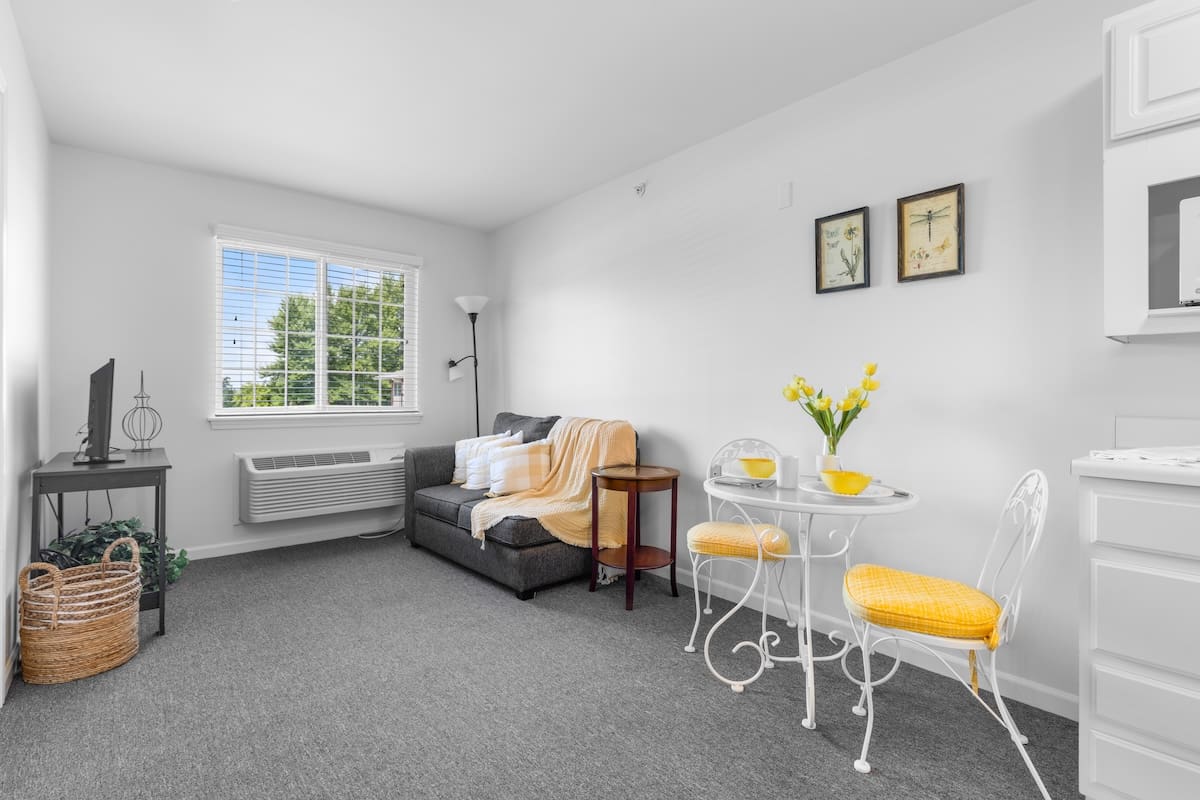
During a respite stay, your loved one will enjoy staying in a fully furnished apartment at a reasonable price. We offer several amenities during your stay including fine dining, leisure activities, 24-hour caring nursing staff and complimentary housekeeping and laundry services.
Respite care serves multiple purposes. It might be the perfect solution when adult children need to travel for work, take a vacation, or simply recharge from the demands of caregiving. It’s also ideal for seniors recovering from surgery or a hospital stay who need extra support before returning home safely.
Perhaps most valuably, respite care offers families a chance to experience senior living without the pressure of a permanent decision. Your mom or dad can participate in activities like our coffee club or chair yoga, enjoy meals in our community dining room, and see what life might look like in a supportive community setting.

What Is Assisted Living?
Assisted living represents a permanent change of residence for seniors who need consistent, daily support with personal care, medication management, or both. Unlike respite care’s temporary nature, assisted living at The Meadows provides ongoing, 24-hour staff availability and comprehensive care services.
Our assisted living residents receive personalized support based on their individual needs. This might include help with bathing, dressing, medication reminders, or mobility assistance. The goal is to help seniors maintain their independence while ensuring their safety and wellbeing.
Assisted living is not a nursing home. Residents live in their own apartments, participate in community activities, and maintain as much autonomy as possible. They simply have access to the care and support they need, when they need it.
At The Meadows, assisted living residents enjoy the same amenities as our respite guests — fine dining, social activities, housekeeping services, and access to our fitness room, library, and entertainment spaces. The difference is that this becomes their home, their community, and their support system for the long term.
Key Differences at a Glance
| Respite Care | Assisted Living | |
|---|---|---|
| Length of stay | Short-term (days to weeks) | Ongoing / long-term residence |
| Level of care | Varies — basic support and supervision | Consistent personal care + medication management |
| Commitment | No long-term commitment required | Permanent change of residence |
| Who it’s for | Recovering seniors, caregiver relief, trial stays | Seniors needing daily support and care |
| Apartment | Fully furnished | Can be furnished or bring own belongings |
| Best for | Temporary gaps in care, recovery, exploration | Ongoing care needs and community living |
Can Respite Care Lead to Assisted Living?
Absolutely — and this transition represents one of the most valuable aspects of respite care. Many families discover that a temporary stay removes much of the anxiety and uncertainty around the “big decision” of senior living.
During a respite stay at The Meadows, your loved one has the opportunity to experience our community firsthand. They might join our Tuesday coffee club, participate in art activities, or enjoy evening entertainment in our large community room. These experiences help them see that senior living doesn’t mean giving up independence — it means gaining community and support.
For families, a respite stay provides invaluable peace of mind. You can observe the quality of care, see how staff interact with residents, and witness your parent’s response to the environment. There’s no pressure to make an immediate decision about permanent placement.
According to research from AARP, nearly 85% of family caregivers report feeling more confident about senior living options after their loved one experiences a short-term stay.
If your parent thrives during their respite stay — making friends, enjoying meals, participating in activities — the transition to permanent assisted living becomes a natural next step rather than a difficult upheaval. Our team works closely with families to ensure any transition feels seamless and comfortable.
Which Is Right for Your Family?
The choice between respite care and assisted living depends on your current circumstances and long-term needs. If you’re facing an immediate, temporary gap in care — such as caregiver illness, post-surgery recovery, or family travel — respite care provides the perfect bridge.
Respite care is also ideal if you’re unsure about assisted living but want to explore the option. Your loved one can experience community living, quality care, and social engagement without the commitment of a permanent move.
Consider assisted living if your parent or spouse has consistent, ongoing care needs that are becoming difficult to manage at home. Signs might include medication errors, safety concerns, social isolation, or caregiver burnout that doesn’t have an end date.
The beauty of The Meadows’ approach is that we support families through both temporary and permanent care transitions. Whether you start with a respite stay or move directly to assisted living, our team understands that every family’s journey is unique.
Many families find that combining both options works best. A respite stay can provide immediate relief while giving everyone time to evaluate long-term needs and options without pressure.
Experience the Difference at The Meadows
Whether you’re considering respite care or assisted living, the most important step is having a conversation with our team. We can help you understand which option best fits your current situation and future goals.
Our range of care options means we can support your family through changing needs over time. From a short respite stay to long-term assisted living, from one stage of life to the next, home is here.
Schedule a tour to see our community firsthand, or contact us to discuss your specific situation. We’re here to help you navigate this important decision with warmth, understanding, and the information you need to choose what’s right for your family.
Frequently Asked Questions