
How Much Does Respite Care Cost? What Illinois Families Should Know
Respite care cost is one of the first questions families ask when they’re considering temporary care options for an aging parent. According to the 2024 Genworth Cost of Care Survey, the national median cost for assisted living is $4,500 per month, but respite stays are typically priced differently—often on a weekly or daily basis. The reality is that costs vary significantly based on the type of care, location, and what’s included in the package.
For Illinois families researching respite care options, understanding these cost factors upfront can help you budget appropriately and make informed decisions. Whether you’re planning a vacation, recovering from caregiver burnout, or need temporary care while your parent transitions home from a medical procedure, knowing what to expect financially is crucial.
What Affects the Cost of Respite Care?
Several key factors influence respite care pricing, and understanding these variables helps explain why costs can range so dramatically from one option to another.
Type of facility and care setting makes the biggest difference. In-home respite care with a private aide costs differently than a stay at a residential assisted living community. The infrastructure, staffing model, and amenities available all factor into pricing.
Length of stay often determines your rate structure. Many communities offer better weekly or monthly rates compared to daily pricing, especially for stays longer than a few days.
Level of care needed directly impacts cost. A senior who needs minimal assistance will pay differently than someone requiring medication management, personal care assistance, or specialized memory care support.
What’s included in the rate varies dramatically between providers. Some charge a base rate plus extras for meals, activities, and personal care. Others offer all-inclusive pricing that covers dining, housekeeping, laundry, activities, and 24-hour staff support.
Geographic location plays a significant role. Illinois generally falls below the national average for senior care costs, but rates vary between rural communities like Franklin Grove and major metropolitan areas like Chicago.
Types of Respite Care and Their Typical Costs
Understanding your options helps clarify the cost picture. Here are the three main types of respite care available to Illinois families:
| Type of Respite Care | Typical Cost Range | Best For |
|---|---|---|
| In-Home Respite Care | $25-$35 per hour | Short-term breaks, familiar environment preferred |
| Adult Day Programs | $75-$150 per day | Daytime supervision, social engagement |
| Residential Respite at Senior Community | $100-$200 per day | Extended breaks, 24-hour care, trial of senior living |
In-home respite care involves bringing a caregiver to your parent’s home. While this preserves the familiar environment, costs can add up quickly for round-the-clock care or extended periods.
Adult day programs provide daytime supervision and activities, typically Monday through Friday. They’re cost-effective for working caregivers but don’t provide overnight or weekend coverage.
Residential respite stays at assisted living communities offer the most comprehensive solution. Your parent stays in a fully furnished apartment with meals, activities, housekeeping, and 24-hour staff support included.

What’s Included Matters as Much as the Rate
Comparing respite care costs requires looking beyond the daily or weekly rate to understand what’s actually included. The value equation changes dramatically based on what services are bundled into the price.
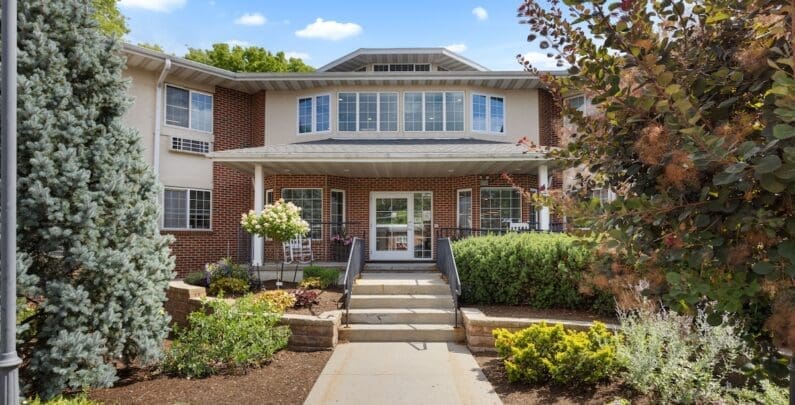
A residential respite stay at a community like The Meadows of Franklin Grove includes far more than just a room. Your parent enjoys fine dining with restaurant-style meals, engaging activities like coffee club and bingo, complimentary housekeeping and laundry services, and 24-hour caring nursing staff available whenever needed.
This all-inclusive approach means no surprise charges for extra services. When you calculate the equivalent cost of providing meals, housekeeping, laundry, activities, and round-the-clock supervision through separate providers, the value of comprehensive residential respite becomes clear.
The peace of mind factor also has value. Knowing your parent is safe, engaged, and well-cared for in a community with full amenities allows you to truly rest and recharge during your break from caregiving.
Does Insurance Cover Respite Care?
Insurance coverage for respite care is limited, and most residential respite stays are paid privately. However, it’s worth exploring your options before assuming you’ll pay out-of-pocket.
Medicare provides very limited respite care coverage, primarily through hospice services for terminally ill patients. Traditional Medicare does not cover respite care in assisted living communities or for general caregiver relief.
Medicaid coverage varies by state. Illinois offers some respite care benefits through waiver programs, but these typically apply to in-home services rather than residential stays. Check with the Illinois Department on Aging for current program details.
Long-term care insurance often includes respite care benefits. If your parent has a long-term care policy, review the coverage details. Many policies provide several weeks of respite care coverage annually.
Veterans benefits may cover respite care for eligible veterans and their spouses. The VA offers both in-home and facility-based respite programs. Contact your local VA office to explore options.
Private pay remains the most common payment method for residential respite stays. While this means paying out-of-pocket, it also provides complete flexibility in choosing the right community and care level for your parent’s needs.
Is Respite Care Worth the Cost?
The cost of respite care must be weighed against the very real costs of caregiver burnout. Research from the AARP Public Policy Institute shows that family caregivers lose an average of $1,986 annually in wages due to caregiving responsibilities, with some losing much more.
Caregiver burnout also carries health costs. Chronic stress leads to higher rates of depression, anxiety, and physical health problems among family caregivers. A respite stay provides essential recovery time that can prevent more serious health and financial consequences.
For many families, respite care serves as a valuable trial run for future senior living decisions. A short-term stay allows your parent to experience community living without the pressure of a permanent decision. This can ease transitions later and provide peace of mind about future care options.
The investment in respite care often pays dividends in improved family relationships, better caregiver health, and enhanced quality of life for both the senior and their family members.

Planning Your Respite Care Budget
When budgeting for respite care, consider both the immediate costs and the longer-term value. A week-long respite stay might cost more upfront than piecing together daily services, but the comprehensive care and peace of mind often justify the investment.
Factor in what you’d otherwise spend on meals, activities, and supervision during the same period. Many families discover that quality residential respite care costs less than they expected when all services are included.
Consider the timing of your respite care needs. Some communities offer better rates for longer stays or during less busy periods. Planning ahead can help you secure the best value.
Remember that respite care is an investment in your family’s wellbeing. The cost of not taking breaks from caregiving—in terms of your health, relationships, and ability to provide quality care long-term—often exceeds the cost of respite services.
Next Steps: Getting Accurate Pricing Information
While general cost ranges provide helpful context, the only way to get accurate pricing for respite care is to speak directly with providers. Every situation is unique, and costs depend on your parent’s specific needs, preferred amenities, and length of stay.
At The Meadows of Franklin Grove, we believe in transparent conversations about our respite care options and pricing. Our comprehensive approach means you’ll know exactly what’s included and what to expect.
The best next step is a conversation with our team. We can discuss your family’s specific needs, explain our respite care program in detail, and provide clear pricing information. You can also schedule a tour to see our community and meet our staff.
Don’t let cost uncertainty prevent you from exploring respite care options. Contact us today to learn more about how respite care at The Meadows can provide the break you need at a price that fits your family’s budget.
Frequently Asked Questions