
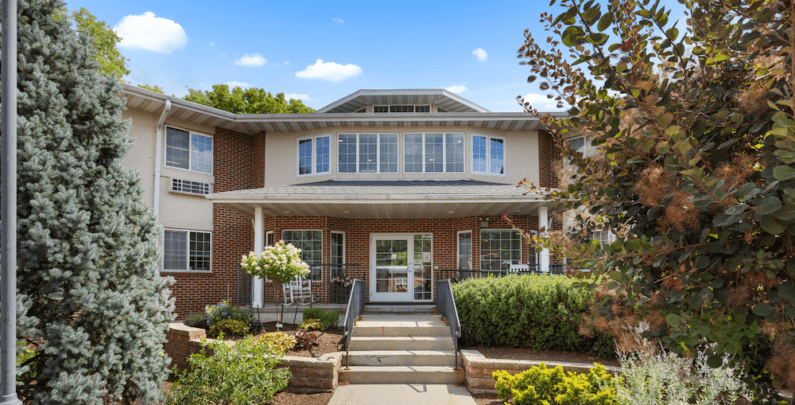
How to Choose Assisted Living in Franklin Grove: 12 Questions to Ask on a Tour
How to choose assisted living in Franklin Grove often starts the same way: a family notices small changes that add up—missed medications, uneven meals, housekeeping falling behind, a fall risk, or caregiver stress that’s reached a breaking point. Then you tour a few communities and realize how different they can be, even when they offer similar “amenities.”
This guide is designed to help you make a confident decision by asking the right questions on a tour—especially if you’re comparing options across Lee County and Ogle County, including nearby towns where it’s normal to drive 15–30 minutes for the right fit.
If you want a quick shortcut: bring this list to every tour, write down the answers, and compare communities side-by-side afterward. It will save time, reduce confusion, and make the decision feel clearer.
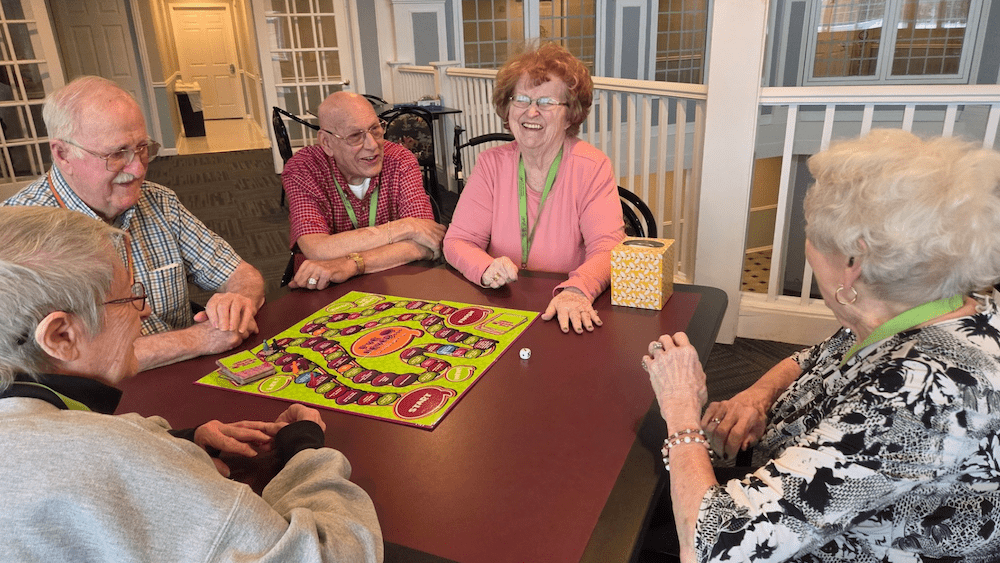
How to Choose Assisted Living in Franklin Grove
Before you tour, it helps to define what “success” looks like for your loved one. Assisted living should make daily life safer and simpler while preserving independence and dignity.
Start by identifying the top 3–5 needs today:
- Daily routines: Mornings/evenings, bathing, dressing, mobility, toileting
- Medication routines: Reminders vs full management, pharmacy coordination, oversight
- Meals and nutrition: Consistent meals, special diets, hydration, weight changes
- Safety: Falls risk, emergency response, living alone, secured environment
- Social connection: Isolation, structure, activities, transportation, community life
- Caregiver support: Relief for spouse/adult child caregiver, peace of mind
Then define the “non-negotiables.” Common ones include:
- 24-hour staffing (or overnight coverage expectations)
- Medication oversight
- Private living space
- Clear communication with family
- A clean, calm environment that feels like home
Finally, decide your timeline:
- Exploring (3–6 months out): You can compare thoughtfully
- Soon (weeks): You need availability + quick clarity
- Urgent (days): You need immediate next steps and a plan
A tour should answer one question above all: Will this community safely support the needs we have today—and adjust support if things change?

12 Questions To Ask On A Tour
These questions are designed for real decision-making. Ask them on every tour and write down the answers.
Care and Support
1. What kind of help is available with activities of daily living (ADLs)?
Ask what support looks like in real terms (not just “we can help with that”).
Follow-ups:
- What support is available in the morning and evening (the hardest times for many seniors)?
- How do you personalize care for someone who wants independence but needs some help?
2. How do you assess care needs at move-in?
You want to understand the intake process and how they determine the right level of support.
Follow-ups:
- Is there an assessment before move-in?
- Who performs it (nursing leadership, care team, etc.)?
- What information should families bring?
3. How often are care needs reassessed—and what triggers a change?
Needs can change gradually or suddenly. Good communities have a clear process.
Follow-ups:
- How do you monitor changes in mobility, appetite, behavior, or routine?
- How do you communicate changes to families?
Safety and Staffing
4. What does 24-hour staffing mean here—what does overnight coverage look like?
“24-hour staffing” can mean different things. Ask what it looks like in practice.
Follow-ups:
- Who is on-site overnight?
- What happens if a resident needs help at 2 a.m.?
- How quickly can staff respond?
5. What safety systems are in each apartment or unit?
Ask to see the emergency response system and how it works.
Follow-ups:
- Is there an emergency response system in each unit?
- Are wearable call options available (pendant/call system)?
- How does response work from button press to help arriving?
6. How do you handle emergencies—and how are families notified?
You want a clear communication process.
Follow-ups:
- Who calls the family, and when?
- How do you document what happened?
- What happens after a fall or medical event?
Medications and Health Coordination
7. How does medication management work day-to-day?
Medication routines are one of the biggest reasons families choose assisted living.
Follow-ups:
- Who administers or oversees medications?
- How are medication changes handled?
- How are refills coordinated and documented?
- What can residents manage on their own (if appropriate)?
8. How do you coordinate with outside physicians or visiting providers?
Ask how the community supports continuity of care.
Follow-ups:
- Does staff act as a liaison with the resident’s physician if needed?
- Are specialty visits available on-site upon request (podiatry, optometry, hearing services, etc.)?
- What services are billed separately by third parties?
9. How do you monitor health changes between doctor visits?
This is about early detection and proactive support.
Follow-ups:
- What does ongoing wellness monitoring look like?
- How do you spot changes early (appetite, sleep, confusion, mobility)?
- What’s the process for updating the care plan?
Daily Life, Dining, and Activities
10. What is a typical day like for residents?
Ask about routines: mornings, meals, activities, evenings.
Follow-ups:
- Are meals provided daily? How many?
- What does dining look like (menu variety, accommodations)?
- What activities are available—and is participation optional?
11. What’s included in the apartment and in daily services?
Families often discover “extras” later. Get clarity upfront.
Follow-ups:
- Are housekeeping and laundry services included?
- Is Wi-Fi or TV included?
- Are there storage options?
Cost, Policies, and Next Steps
12. What’s the monthly cost, what’s included, and what can change over time?
Ask for clarity, not just a number.
Follow-ups:
- What’s included in the monthly rate?
- What services may affect the monthly cost?
- How do you handle a change in care needs?
- What are the next steps if we decide to move forward?
What Great Answers Sound Like & What to Listen For
A strong tour isn’t just friendly—it’s specific. Here’s what to listen for.
Clarity over vague assurances
Good: “Here’s exactly how we handle medications and who oversees changes.”
Not ideal: “We’ll take care of it.”
Process and consistency
Good: “We reassess regularly and communicate changes to families.”
Not ideal: “We’ll see how it goes.”
Transparency about costs
Good: “Here’s what’s included and what would change pricing.”
Not ideal: “It depends” (without explaining what it depends on).
Respect for independence
Good: “We support residents where needed while preserving privacy and routines.”
Not ideal: A one-size-fits-all approach.
A safe, calm environment that feels lived-in (in a good way)
You’re looking for:
- Clean, comfortable common areas
- Staff who greet residents by name
- Residents who appear engaged (even if quietly)
- Clear safety features and response protocols
What To Bring to an Assisted Living Tour
Bringing a few items makes tours far more productive.
Bring:
- A list of current medications (or a photo of the medication list)
- Notes on recent changes (falls, weight loss, confusion, missed meals)
- A short “day in the life” overview (what’s going well, what’s hard)
- Top 3 priorities (safety, meds, meals, social connection, etc.)
- A list of must-haves (private apartment, secured building, call pendant, etc.)
If you’re touring after rehab or hospitalization:
- Discharge paperwork or care recommendations (if available)
- Therapy needs and mobility requirements
- Any restrictions or special diet information
How To Compare Communities
After 2–3 tours, everything starts to blur. Use this quick scoring method.
Rate each category 1–5:
- Care fit (matches needs today)
- Safety (response systems, staffing clarity, fall protocols)
- Medication support (clear process, oversight, communication)
- Daily life (meals, activities, comfort, privacy)
- Communication (family updates, transparency, responsiveness)
- Cost clarity (what’s included, what changes, no surprises)
- Overall feel (calm, respectful, residents seem comfortable)
Then write one sentence:
- “This community is best for ___.” That one sentence helps you decide faster.
Common Red Flags
Not every concern is a deal-breaker, but these are worth paying attention to.
- Staff can’t clearly explain medication routines or emergency response
- Vague answers about staffing, especially overnight coverage
- Costs are unclear or presented without explaining what changes pricing
- The environment feels rushed, chaotic, or consistently understaffed
- Residents appear unattended or staff avoid interaction
- The tour feels like a sales pitch without practical detail
- Policies are hard to obtain in writing (move-in process, what’s included, etc.)
How To Choose An Assisted Living Facility FAQs
Do you only serve Franklin Grove residents?
No. The Meadows of Franklin Grove serves families across Lee and Ogle County, including nearby communities where it’s normal to drive 15–30 minutes for senior living.
What should I focus on during a tour?
Start with safety, medication routines, and daily life. Then ask how support is assessed and adjusted over time, and get clear pricing details.
How quickly can someone move in?
Timing depends on availability and the move-in process. A tour is the best way to discuss current openings and next steps.
Is it okay to tour before we “need” assisted living?
Yes. Touring early helps families plan ahead and reduces stress if needs change quickly.
How long should an assisted living tour take?
Plan for 45–60 minutes. That gives you time to see apartments and common areas, ask questions, and talk through care needs and availability.
Should I bring my parent or loved one to the tour?
If possible, yes. Seeing the community in person helps them react to the environment, meet staff, and get a feel for daily life. If that’s stressful right now, you can tour first and bring them on a second visit.
What’s the difference between a “quick visit” and a true tour?
A quick visit shows you the space. A true tour includes time to discuss care needs, medication routines, safety systems, what’s included, and next steps—so you can compare communities accurately.
What if I’m not sure whether assisted living is the right level of care?
That’s common. A tour and conversation can help you clarify whether assisted living fits current needs, or whether a different level of support would be more appropriate.
Do you have availability right now?
Availability can change. The fastest way to confirm openings and next steps is to call or schedule a tour.
Schedule an Assisted Living Tour in Franklin Grove, IL
If you’re comparing assisted living options across Lee and Ogle County—including Dixon, Rochelle, Oregon, Amboy, Polo, Ashton, Chana, and nearby communities—a tour helps you move from research to real answers.
At The Meadows of Franklin Grove, a tour gives you time to:
-
- See apartment options
- Understand what’s included in daily life
- Talk through support needs and next steps
- Ask questions with clarity and no pressure